Exploring the World of Flat Packing Containers
In the evolving landscape of modern construction and sustainable living, the flat packing container has emerged as a game-changer for those seeking efficient, portable, and eco-friendly building solutions. These innovative structures are designed to be shipped in a compact, flat form, allowing for easy transportation and quick assembly on-site. This approach not only reduces shipping costs but also minimizes environmental impact by optimizing space during transit. As urbanization accelerates and the demand for flexible housing grows, flat packing containers offer a practical answer to challenges like housing shortages and temporary accommodations. With roots in shipping container architecture, these units have evolved to incorporate advanced materials and designs, making them suitable for residential, commercial, and emergency uses.
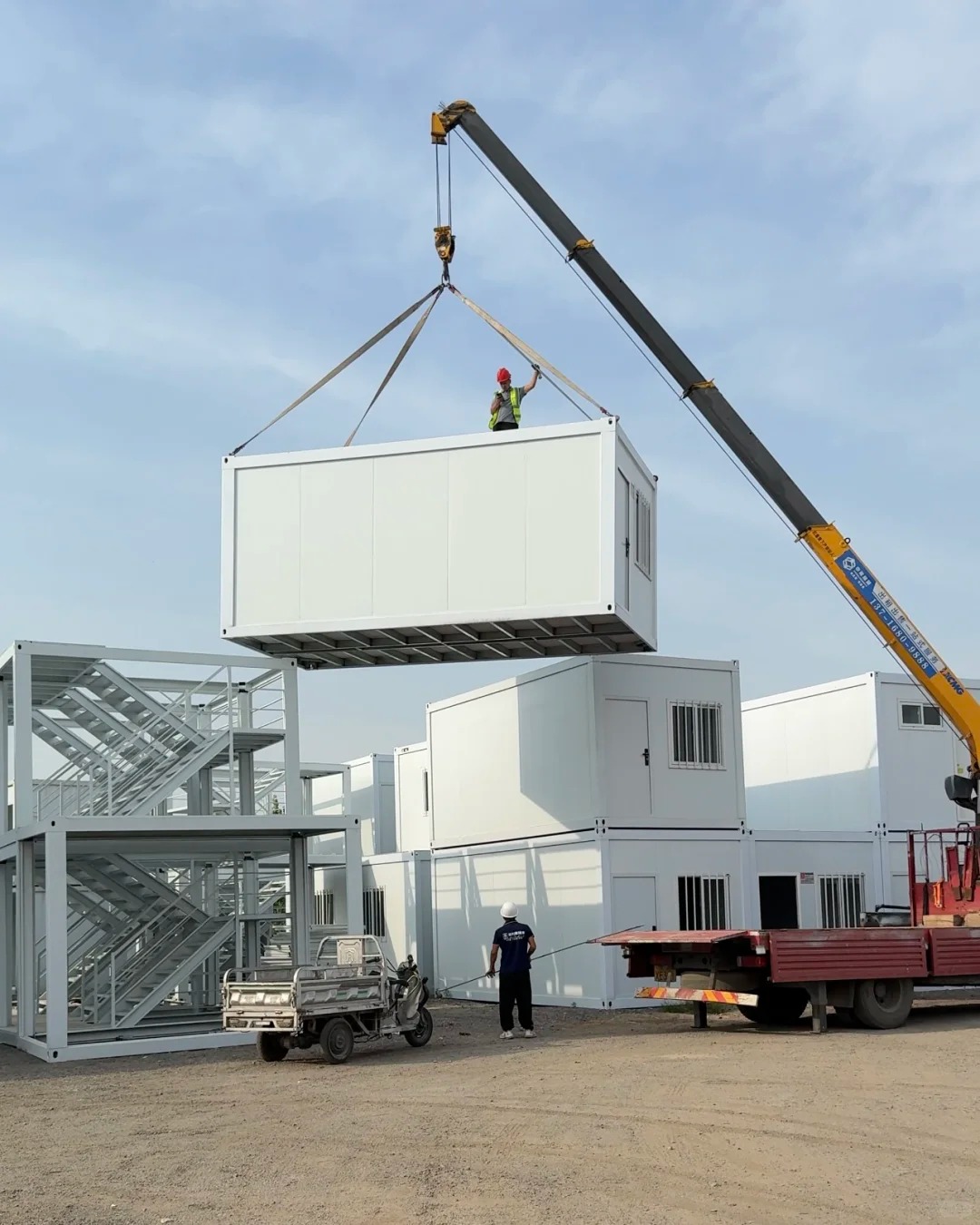
The concept of flat packing containers dates back to efforts in modular construction, where efficiency and adaptability are key. By breaking down traditional building methods, these containers allow users to construct homes or offices in a fraction of the time required for conventional builds. Statistics from industry reports indicate that modular construction can reduce project timelines by up to 50% and cut waste by 90%, highlighting the significant advantages of this method. For instance, in regions prone to natural disasters, flat packing containers provide rapid deployment for relief shelters, ensuring communities can recover swiftly.
The Intricacies of Modular Container Design
Modular container design plays a pivotal role in the functionality and appeal of flat packing containers. This design philosophy emphasizes interchangeable parts and scalable configurations, enabling users to customize spaces according to specific needs. Whether it’s stacking units for multi-story buildings or combining them for larger complexes, modular container design offers unparalleled flexibility. Innovations in this area include integrated insulation, weather-resistant coatings, and smart technology integrations like energy-efficient lighting and climate control systems. According to recent studies by the Modular Building Institute, projects utilizing modular container design experience a 20-30% reduction in overall costs due to streamlined manufacturing processes.
One of the standout features of modular container design is its emphasis on sustainability. Materials used in these containers often include recycled steel and eco-friendly composites, which contribute to lower carbon footprints. For example, the robust structural integrity ensures longevity, with many units designed to withstand extreme weather conditions, from heavy rains to high winds. This durability not only extends the lifespan of the structures but also reduces the need for frequent repairs or replacements. In commercial applications, such as pop-up retail spaces or temporary offices, modular container design allows businesses to adapt quickly to market changes without significant investments in permanent infrastructure.
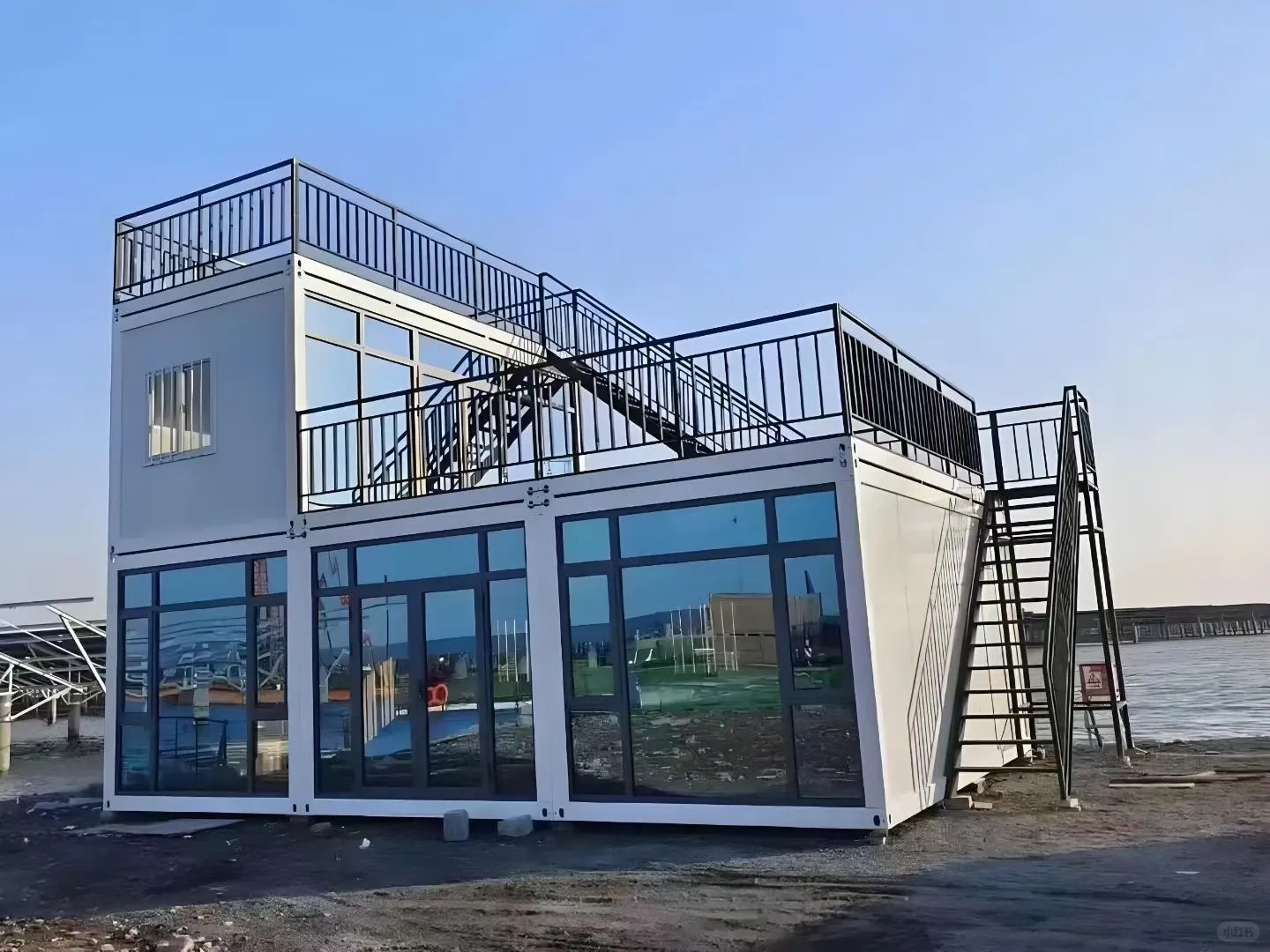
Furthermore, modular container design facilitates creative architectural expressions. Architects and designers can experiment with layouts, incorporating elements like floor-to-ceiling glass for natural light or rooftop decks for outdoor living. This versatility has led to a surge in innovative projects worldwide, from urban micro-apartments to remote eco-resorts. Industry insights reveal that the global modular construction market is projected to grow at a compound annual growth rate of 6.5% through 2030, driven largely by advancements in modular container design.
Innovative Modular Home Designs
Modular home designs represent the residential evolution of flat packing containers, blending aesthetics with practicality. These designs cater to a variety of lifestyles, from minimalist urban dwellings to spacious family homes in rural settings. Key to modular home designs is the ability to personalize interiors, with options for open-plan layouts, modern kitchens, and luxurious bathrooms. The two-story configurations, often featuring external staircases and expansive decks, enhance livability by maximizing space and connecting indoor areas with the outdoors.
Sustainability is at the heart of modular home designs, with features like energy-efficient glass panels that regulate temperature and reduce utility bills. Homeowners benefit from lower maintenance costs and the peace of mind that comes with structures built to last. Case studies from Europe and North America show that modular home designs can achieve energy savings of up to 40% compared to traditional homes, thanks to superior insulation and design efficiencies. This makes them an attractive option for environmentally conscious individuals looking to minimize their ecological footprint.
The customization potential in modular home designs is vast, allowing for integrations such as solar panels, rainwater harvesting systems, and smart home technologies. This adaptability ensures that each home can be tailored to the owner’s preferences, whether for a cozy retreat or a vibrant workspace. As more people embrace remote work and flexible living, modular home designs provide a forward-thinking solution that aligns with contemporary needs.
Key Modular Home Advantages
Among the numerous modular home advantages, speed of construction stands out prominently. Unlike traditional building methods that can take months or years, modular homes can be assembled in weeks, thanks to factory-controlled production that eliminates weather delays and ensures quality consistency. This efficiency is particularly beneficial in high-demand areas where housing is scarce, enabling faster occupancy and reduced labor costs.
Another significant advantage is cost-effectiveness. Modular home advantages include lower material waste and bulk purchasing of components, which translate to savings for consumers. Reports from the National Association of Home Builders indicate that modular homes can cost 10-20% less than site-built homes, making them accessible to a broader demographic. Additionally, the portability of these homes allows owners to relocate them if needed, adding a layer of flexibility not found in conventional housing.
Durability and resilience are also key modular home advantages. Built with high-quality materials, these homes are engineered to endure harsh conditions, providing safety and security. In disaster-prone regions, their quick deployment serves as a lifeline for affected populations. Moreover, the eco-friendly aspects, such as reduced construction waste and energy efficiency, appeal to those prioritizing green living.
Guangzhou Kinghouse Modular House Technology Co., Ltd: Pioneers in Modular Solutions
At the forefront of this industry is Guangzhou Kinghouse Modular House Technology Co., Ltd, a company with over 20 years of expertise in prefabricated houses and modular buildings. Established in 2003, Kinghouse has marked significant milestones, including expanding into international markets by 2012 and launching innovative foldable and expandable container house series in 2020. By 2023, the company celebrated exporting to over 60 countries, showcasing its global reach and commitment to quality.
Kinghouse’s product advantages include quick deployment, durability, eco-friendliness, and extensive customization options. Their flat packing containers, such as the All-New Modular Container Home and Transformative Container Unit, exemplify cutting-edge modular container design with features like robust structures, energy-efficient glass, and versatile configurations. These products cater to diverse customer segments, from construction firms and mining companies to government organizations and individual homeowners.
The company’s one-stop service model, from design to after-sales support, ensures a seamless experience. With a comprehensive logistics network, including standardized flat-pack packaging for efficient transportation, Kinghouse delivers solutions worldwide. Their partnerships with suppliers and research institutes drive continuous innovation, maintaining high standards in modular home designs.
In terms of modular home advantages, Kinghouse products stand out for their adaptability to various environments, whether urban, rural, or coastal. The ease of installation, often using crane systems for rapid setup, minimizes disruption and maximizes efficiency. For those interested in sustainable living, Kinghouse offers units that blend style with functionality, promoting a progressive lifestyle.
Conclusion: Embracing the Future with Flat Packing Containers
As we look to the future, flat packing containers, enhanced by modular container design, modular home designs, and their inherent advantages, are set to redefine housing and construction paradigms. With companies like Guangzhou Kinghouse leading the way, individuals and businesses can access reliable, innovative solutions that prioritize sustainability and efficiency. Whether for personal use or large-scale projects, these containers offer a smart, adaptable path forward. For more information, visit www.cnkinghouse.com or contact sales2@cnkinghouse.com to explore how Kinghouse can meet your modular needs.
(Word count: 1,248)
Leave a Reply