
The construction industry is in a constant state of evolution, driven by the need for materials that are not only stronger and more durable but also more efficient and sustainable. Among the most significant innovations in modern building technology are sandwich panels, a composite material that is revolutionizing how we design and erect structures. These panels offer a streamlined, all-in-one solution for walls, roofs, and facades, combining structural support, insulation, and a finished surface into a single, factory-engineered unit. This integration accelerates construction timelines, reduces labor costs, and results in buildings that are highly energy-efficient and built to last, meeting the complex demands of contemporary architecture with elegance and practicality.
Understanding the Structure of Insulated Sandwich Panels
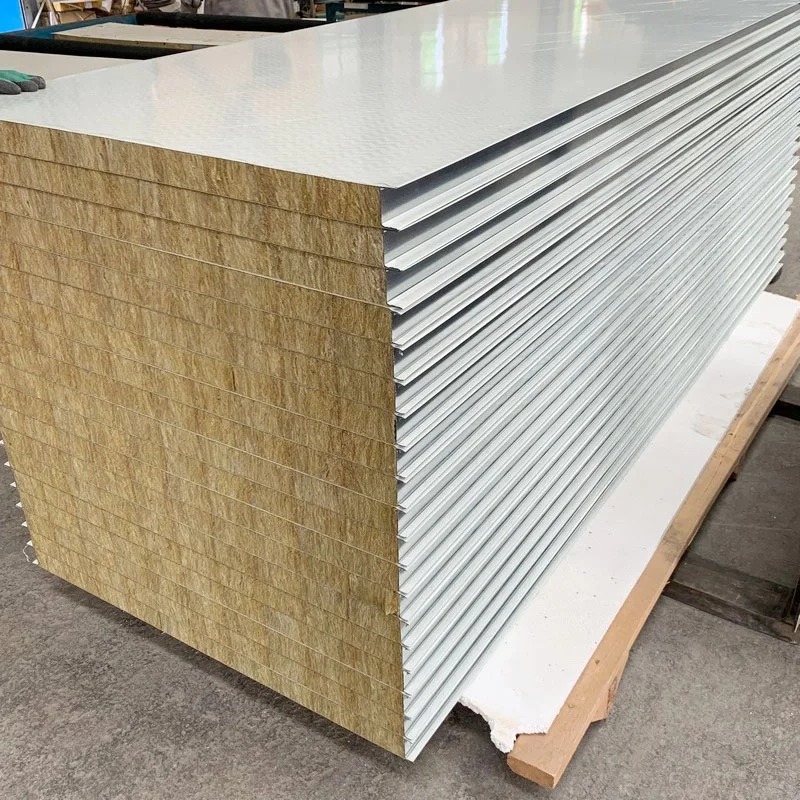
At their core, insulated sandwich panels consist of a three-layer structure. Two rigid outer layers, or skins, are bonded to a thick, lightweight insulating core. This simple yet ingenious composition is what gives the panels their remarkable properties. The outer skins provide structural integrity, weather resistance, and the final aesthetic finish. The core material, sandwiched between these skins, is responsible for the panel’s thermal and acoustic insulation performance. By combining these functions into one prefabricated component, these panels eliminate the need for traditional multi-layered construction methods, which involve installing framing, insulation, vapor barriers, and cladding separately. This consolidated approach not only speeds up the building process but also ensures a higher level of quality control, as the panels are manufactured under precise factory conditions. The result is a building envelope that is airtight, well-insulated, and exceptionally strong.
The Heart of Performance: Core Insulation Materials
The choice of core material is critical to the performance of a panel, with different materials offering distinct advantages. For projects where fire safety is a top priority, rockwool-core panels are an excellent choice. Rockwool is a mineral-based fiber known for its outstanding fire resistance and superior acoustic dampening properties. Alternatively, polyurethane sandwich panels provide some of the highest thermal insulation values available. The high-density foam core in polyurethane sandwich panels is incredibly efficient at preventing heat transfer, which significantly reduces the energy required to heat and cool a building. This leads to lower utility bills and a smaller carbon footprint over the building’s lifespan. Both rockwool and polyurethane cores are lightweight, which reduces the structural load on the building’s foundation and framework, allowing for more versatile and cost-effective architectural designs.
The Durable Exterior: The Role of Steel Skins
To protect the insulating core and provide long-lasting durability, the outer layers are typically made from robust materials, leading to the widespread use of steel sandwich panels in commercial and industrial applications. Steel offers an exceptional combination of strength, longevity, and design flexibility. The steel skins are often coated and can be corrugated or profiled to enhance rigidity and create sophisticated visual appeal. This metallic exoskeleton provides robust protection against harsh weather conditions, including wind, rain, and UV radiation, ensuring the building envelope remains secure and attractive for decades with minimal maintenance. Furthermore, steel is a recyclable material, aligning with green building initiatives and contributing to a more sustainable construction cycle. The use of steel sandwich panels ensures that a structure is not only energy-efficient but also resilient and built to withstand the test of time.
The Kinghouse Advantage in Prefabricated Construction
As a company with over 20 years of dedicated experience in prefabricated houses and modular buildings, Guangzhou Kinghouse Modular House Technology Co., Ltd has mastered the application of these advanced materials. We integrate high-performance insulated sandwich panels into our core products, from container houses to large-scale prefabricated structures. Our extensive expertise allows us to leverage the full potential of these components to deliver solutions that are defined by quick deployment, durability, and eco-friendliness. By utilizing materials like rockwool and polyurethane core panels, we ensure our buildings offer superior thermal efficiency and safety. Our one-stop service, which covers everything from initial design and customized solutions to installation support and maintenance, guarantees that our clients receive a seamless and professional experience, resulting in a final product that meets the highest standards of quality and performance.
Versatility Across Industries and Applications
The unique combination of features offered by sandwich panels makes them incredibly versatile for a vast range of applications. In the commercial sector, they are used to construct retail stores, high-rise offices, and healthcare facilities where energy efficiency and a modern aesthetic are key. For industrial purposes, their durability and insulating properties are ideal for warehouses, manufacturing plants, and mining facilities. Kinghouse has successfully deployed solutions using these panels for government and military projects, including emergency management shelters and military barracks, where rapid assembly and resilience are critical. They are also an excellent choice for individual residential projects, enabling the creation of stylish and sustainable homes. This adaptability makes them one of the most valuable materials for architects and builders striving to meet the unique demands of modern development with efficiency and grace.
Leave a Reply