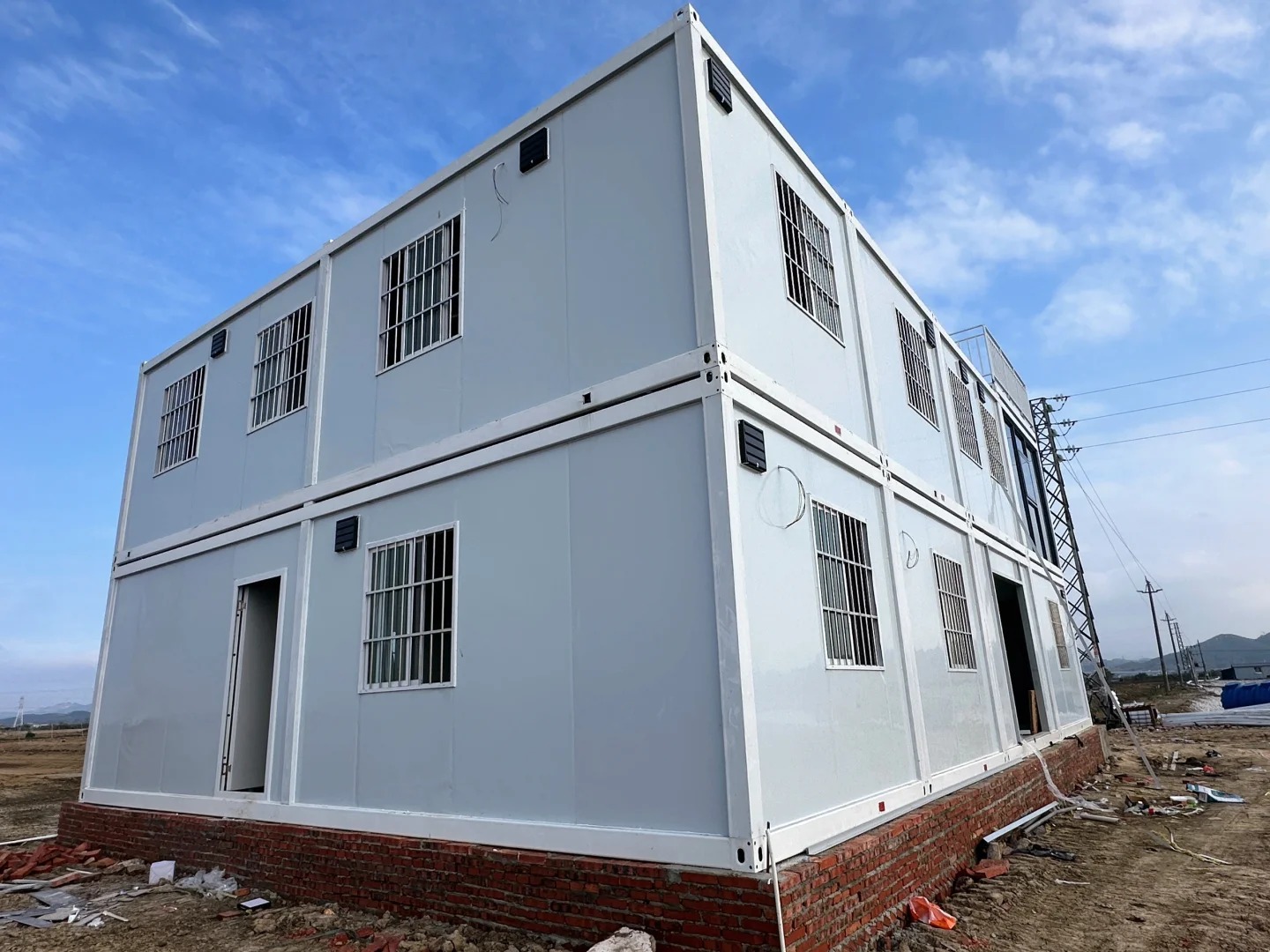
The modern business landscape is in a constant state of flux, demanding workspaces that are as agile, adaptable, and forward-thinking as the companies they house. Traditional construction, with its long timelines and rigid structures, often falls short of meeting these contemporary needs. This has paved the way for innovative building methods, with the container office emerging as a powerful and practical solution for businesses of all sizes. These structures, born from the concept of upcycling and modular design, offer a unique blend of speed, sustainability, and style, fundamentally reshaping our perception of the ideal work environment.
The Rise of Modular Office Solutions
At the heart of this architectural revolution are modular office solutions. This approach involves constructing buildings in a controlled factory setting as individual sections, or modules, which are then transported to the site for final assembly. The benefits are immediate and substantial. Timelines are drastically reduced because site preparation can occur simultaneously with the module fabrication. This method minimizes on-site disruption, noise, and waste, making it a more efficient and neighborly choice. As a pioneer in this field, Guangzhou Kinghouse Modular House Technology Co., Ltd has been refining this process for over two decades. With 20 years of dedicated experience, the company has mastered the art of creating high-quality prefabricated structures that meet rigorous international standards, ensuring that every project benefits from a foundation of deep technical expertise and proven reliability.
Why Choose Portable Office Containers?
The inherent mobility of these structures is one of their most compelling features. For industries like construction, mining, energy, and event management, the need for robust, temporary, yet fully functional office space is critical. This is where portable office containers prove invaluable. They can be deployed rapidly to remote locations, serve as command centers for large-scale projects, and then be easily relocated or removed once the work is complete. This flexibility eliminates the need for costly and time-consuming permanent builds for short-term needs. Leveraging a sophisticated global logistics network, Kinghouse ensures these units can be delivered efficiently anywhere in the world, utilizing flat-pack designs that maximize shipping container space and minimize transportation costs, whether by sea, land, or air.
From Cargo to Workspace: The Shipping Container Office Transformation
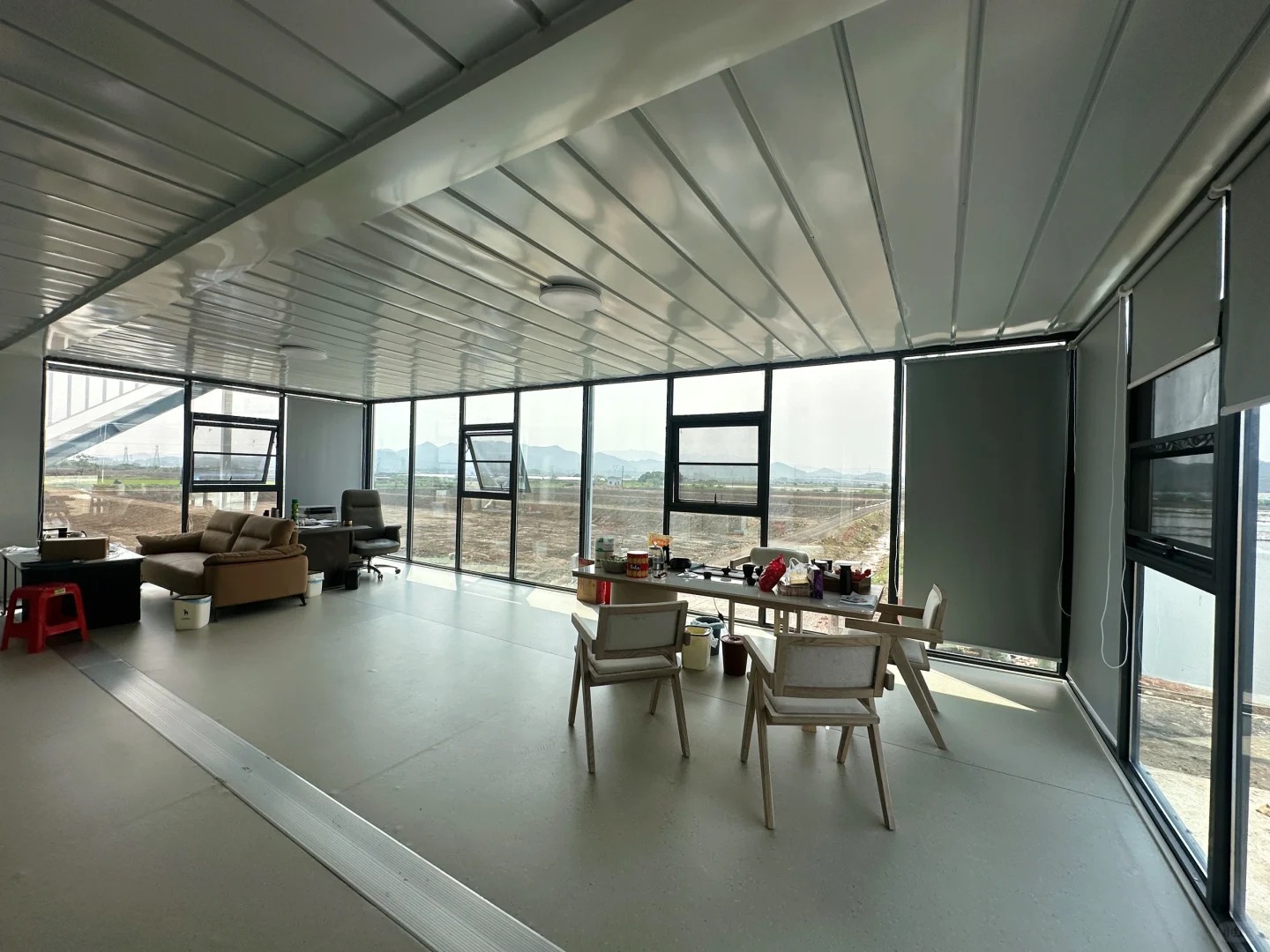
The journey from a simple steel box to a sophisticated workspace is a testament to modern engineering and design. A shipping container office begins its life as a high-grade steel structure, already prized for its immense durability and resilience against harsh weather conditions. The transformation process involves meticulous planning and execution. The container is insulated to ensure thermal comfort and energy efficiency. Openings are precisely cut to install windows and doors, ranging from simple grid-style windows to expansive floor-to-ceiling glass facades that flood the interior with natural light. The interior can be configured into an open-plan layout to foster collaboration or partitioned into private offices, meeting rooms, and amenity spaces. The result is a secure, comfortable, and highly functional environment that defies its industrial origins.
Designing Your Ideal Workspace
One of the greatest advantages of a container office is the unparalleled level of customization. Businesses are not confined to a one-size-fits-all solution. Instead, they can design a space that perfectly aligns with their operational needs and brand identity. A solo entrepreneur might require a single, compact unit, while a growing company could combine multiple containers to create a sprawling office complex. Kinghouse excels in bringing these visions to life, offering double-stacked designs to maximize a small footprint or creating expansive layouts with seamless connections between modules. The interior aesthetics are just as flexible. From a minimalist, industrial-chic look with polished concrete floors and exposed steel to a warm and inviting space with wood accents and plush furnishings, the design possibilities are endless. Features like advanced roller shades for light control, integrated smart technology, and bespoke storage solutions ensure the final space is not only stylish but also highly productive.
A Sustainable and Smart Investment
Choosing modular office solutions is not just a practical decision; it is a sustainable one. The practice of converting shipping containers gives a new purpose to existing materials, embodying the principles of a circular economy. The factory-controlled construction process significantly reduces material waste compared to traditional building sites. Furthermore, these offices are designed for energy efficiency, with superior insulation and options for features like natural ventilation, contributing to lower operational costs and a smaller carbon footprint. This makes a container office a smart, future-proof investment that aligns with corporate social responsibility goals and delivers long-term financial benefits through its durability and adaptability.
Partnering with an Industry Leader
Embarking on a modular construction project requires a partner with a proven track record of excellence and innovation. With a history spanning over 20 years and a business footprint in over 60 countries, Kinghouse stands out as a global leader. The company offers a comprehensive, one-stop service that guides clients from the initial design consultation to manufacturing, logistics, and on-site installation support. Their diverse portfolio includes serving major construction firms, energy companies, government and military organizations, and even individual residential customers. By choosing an experienced partner like Kinghouse, you ensure your project is built on a foundation of quality, reliability, and cutting-edge design, resulting in a workspace that will serve your business effectively for years to come.
Leave a Reply