
A New Era of Living: The Rise of Small Houses
The movement towards small houses for living represents more than just an architectural trend; it’s a profound lifestyle shift that is capturing the imagination of people around the globe. As individuals seek to declutter their lives, reduce their environmental footprint, and achieve financial freedom, the appeal of a simpler, more intentional existence grows stronger. This philosophy of small house living prioritizes experiences over possessions, offering a unique blend of comfort, sustainability, and flexibility. The modern iteration of these dwellings, from prefabricated modular units to custom-built structures, provides a tangible path for those looking to downsize their space without downsizing their quality of life. As we explore this growing phenomenon, it becomes clear that living in a smaller home can lead to a bigger, more fulfilling life.
The Appeal of Downsizing: More Than Just a Small Space
The allure of tiny homes extends far beyond their charming aesthetics. At its core, the decision to downsize is a conscious choice to embrace minimalist living. This involves shedding the excess that often complicates modern life, leading to less stress, fewer financial burdens, and more time for what truly matters. Financially, the benefits are undeniable. With smaller mortgages or even the ability to purchase a home outright, owners find themselves free from decades of debt. Utility bills are significantly lower due to the reduced space to heat and cool, and maintenance costs are a fraction of those for a traditional-sized house. This financial liberation allows for greater career flexibility, more travel, and increased savings. Environmentally, small homes are a responsible choice. They require fewer materials to build and consume less energy, resulting in a substantially smaller carbon footprint. This commitment to sustainability is a key driver for many who are conscious of their impact on the planet, making small house living a powerful statement of personal values.
Modern Solutions: The Evolution of Compact House Design
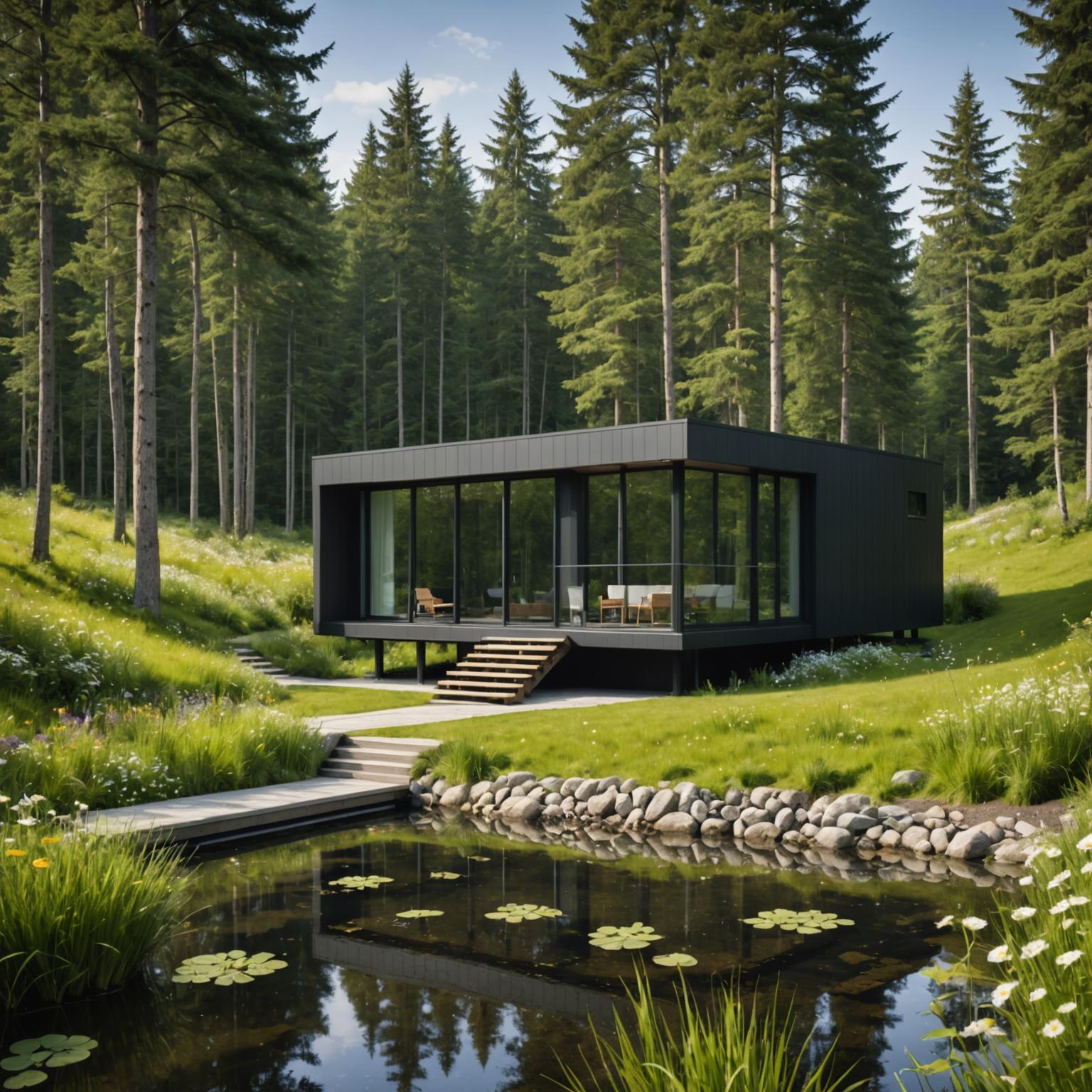
The concept of a small home has evolved dramatically thanks to innovations in compact house design and manufacturing. Gone are the days when a small dwelling meant a rustic, primitive cabin. Today’s market is filled with sophisticated, high-tech options that offer all the comforts of modern living in a condensed package. Companies specializing in modular and prefabricated construction, such as Guangzhou Kinghouse Modular House Technology Co., Ltd, which has two decades of experience, are at the forefront of this evolution. They are creating dwellings that are not only functional but also architecturally stunning. Consider, for example, a modern modular capsule with a sleek grey facade, expansive glass doors, and panoramic windows that seamlessly blend indoor and outdoor spaces. These structures are often built with eco-friendly materials and feature high-efficiency insulation, making them comfortable in any climate. The modular nature of these homes means they are constructed in a factory setting to precise standards, ensuring quality control and minimizing construction waste before being transported and assembled on-site.
Maximizing Functionality in a Minimal Footprint
A common misconception is that living in a smaller space requires significant sacrifice. However, masterful compact house design proves that functionality and comfort can be amplified within a minimal footprint. The key lies in intelligent and versatile design. Modern modular homes often feature open-plan layouts that create a sense of spaciousness, while strategic window placement floods the interior with natural light, further enhancing the ambiance. Many designs incorporate outdoor living areas, such as generous balconies or decks, effectively extending the usable living space and fostering a connection with nature. Inside, every square inch is optimized with features like built-in storage, multi-functional furniture, and flexible room configurations. Companies like Kinghouse demonstrate this adaptability by offering customizable units that can be configured for various needs, from a cozy residential retreat to a functional commercial office or even emergency housing. These innovative solutions prove that a well-designed small home can be more practical and enjoyable than a larger, less thoughtfully planned space.
From Concept to Reality: The Process of Acquiring Your Tiny Home
For those inspired by the prospect of owning one of the many tiny homes on the market, the process is more accessible than ever before. Leading companies in the modular building industry have streamlined the journey from initial concept to final installation. The process typically begins with a consultation to discuss individual needs, style preferences, and budget. From there, a design is developed, often with extensive customization options to ensure the final product is a perfect fit. Once the design is finalized, the home is manufactured in a controlled factory environment. This off-site construction method is faster and more efficient than traditional building. A major advantage offered by global suppliers is their expertise in logistics and transportation. Using standardized, flat-pack designs, they can safely and efficiently ship homes to virtually any location in the world, whether by ocean freight, land, or air. Companies with a comprehensive global service network provide a one-stop service, handling everything from design and manufacturing to installation support and after-sales service, making the dream of small-scale living a hassle-free reality for customers everywhere.
Embracing the Future with Small Houses for Living
In conclusion, the movement toward small houses for living is a compelling response to the complexities of the modern world. It offers a pathway to a life that is more sustainable, financially sound, and personally fulfilling. Through remarkable innovations in compact house design, these homes now deliver sophisticated style and high-tech functionality without compromise. They stand as a testament to the idea that the quality of our lives is not measured in square feet but in freedom, flexibility, and a deeper connection to our environment. As pioneering companies continue to make these advanced living solutions more attainable, an increasing number of people will have the opportunity to redefine what ‘home’ means to them, embracing a future that is both simpler and smarter.
Leave a Reply