The Answer to Modern Construction Challenges
The traditional construction industry is often bogged down by a multitude of challenges, from unpredictable timelines and skyrocketing costs to significant environmental impact. For developers, businesses, and even individuals looking to build, these hurdles can turn an exciting project into a source of immense stress. The demand for faster, more affordable, and sustainable building methods has never been greater. Fortunately, a powerful solution is rapidly reshaping the architectural landscape: prefabricated buildings. This innovative approach addresses the core problems of conventional construction by moving the building process into a controlled, efficient factory environment, offering a predictable and superior alternative.
What is Modular Construction and Why is it Gaining Traction?
At its heart, modular construction involves creating building components, or modules, in a factory setting while the foundational work happens simultaneously on-site. This method of off-site building is a game-changer. By manufacturing in a controlled environment, we can ensure higher quality standards, minimize material waste, and eliminate weather-related delays that commonly plague traditional projects. Once completed, these modules are transported to the location and assembled, drastically reducing the overall construction timeline. This efficiency not only saves time but also leads to significant cost savings in labor and materials, making it a financially attractive option for a wide range of applications. The precision of factory fabrication ensures that every component fits together seamlessly, resulting in a tighter, more energy-efficient structure.
Versatility in Design: From Urban Centers to Remote Retreats
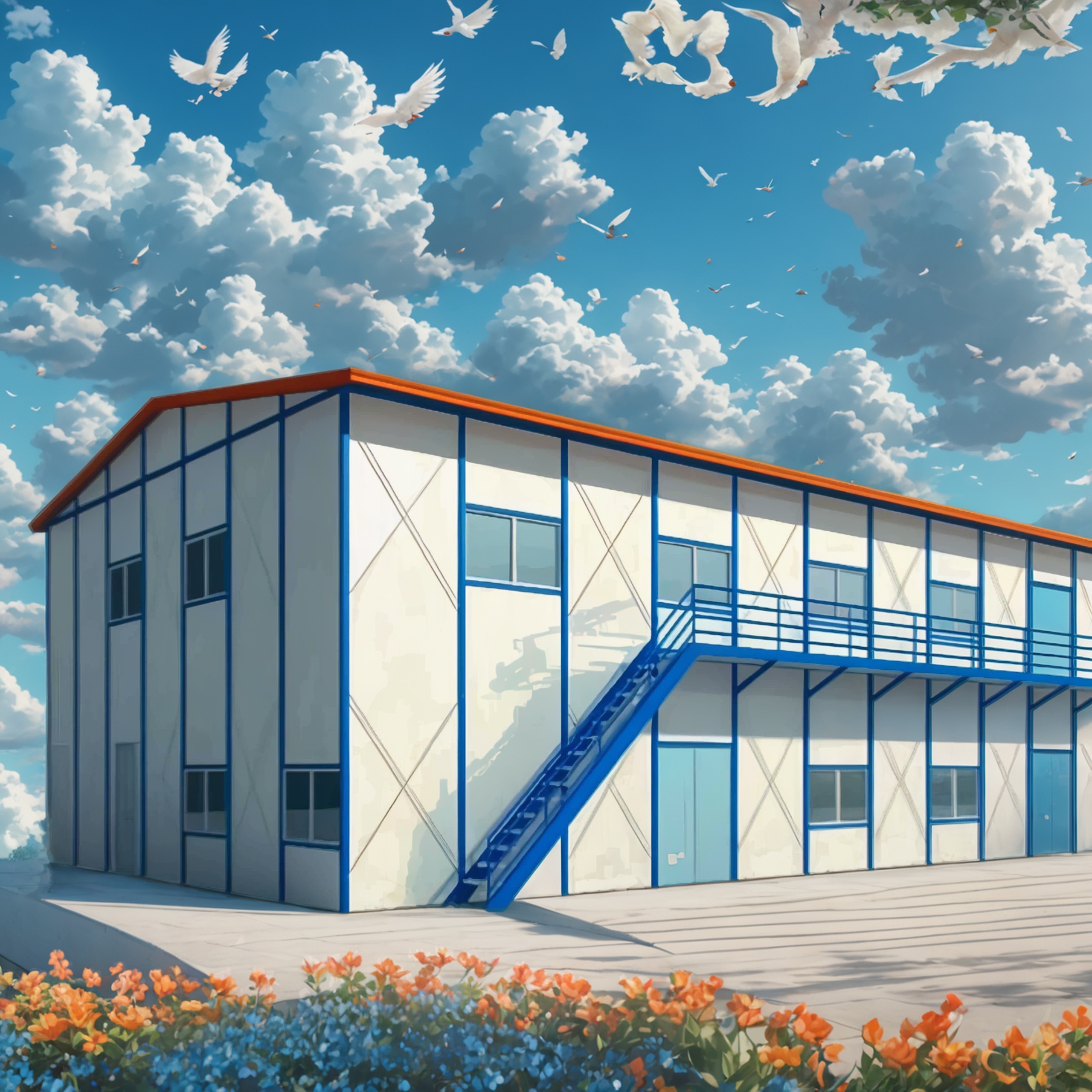
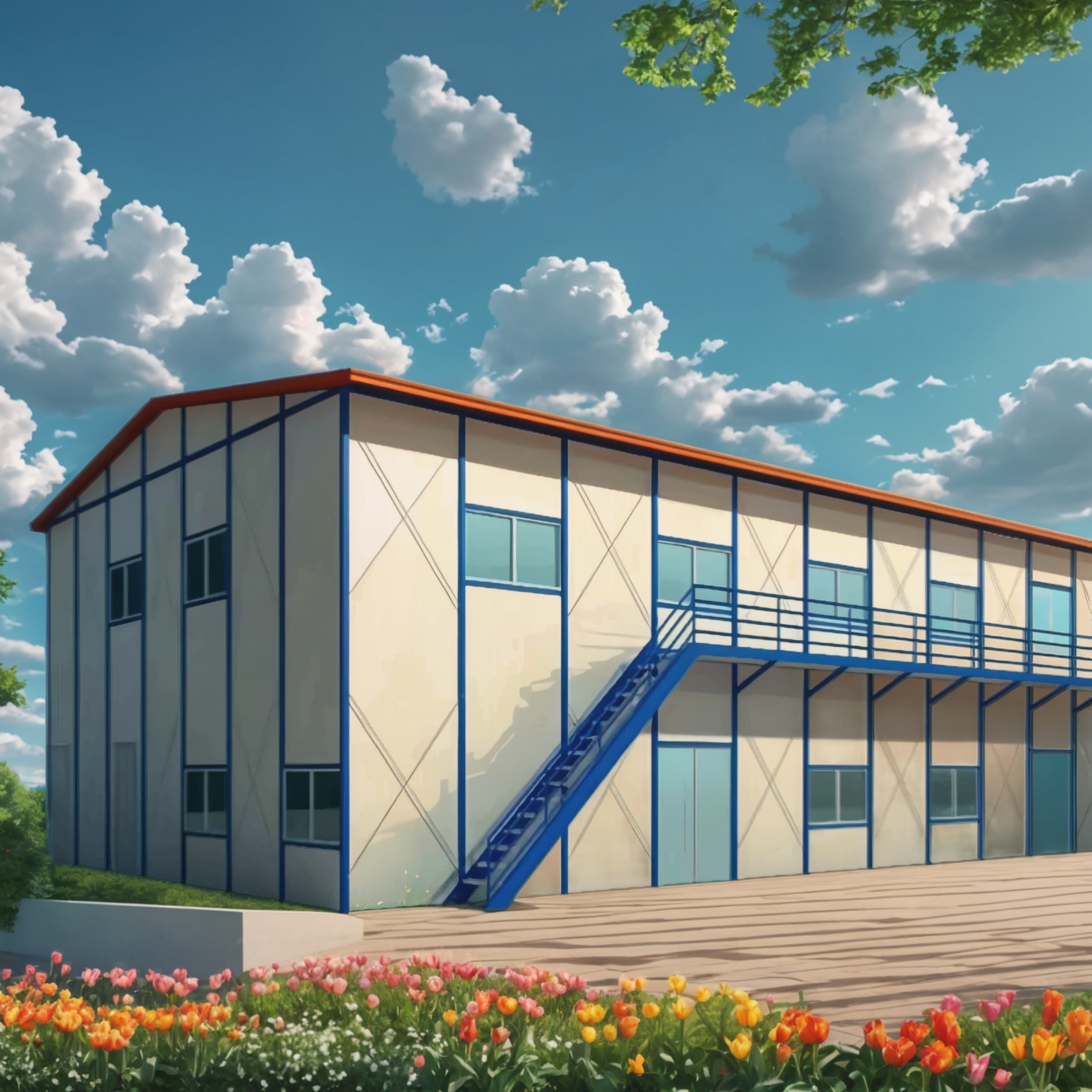
One of the most persistent myths about prefabrication is that it limits architectural creativity, resulting in uniform, uninspired designs. The reality, however, is quite the opposite. Modern prefabricated buildings offer limitless design flexibility to meet diverse needs. For commercial or educational purposes, a structure like the Modular Smart Building provides a clean, contemporary two-story solution with customizable interiors and large windows that maximize natural light. Its modular panels allow for easy assembly and future modifications, showcasing the adaptability of this technology. For those seeking a more personal space, prefab homes offer a path to sustainable and stylish living. Consider a chic prefabricated tiny home, complete with a wooden deck and expansive glass doors, perfect for individuals embracing a minimalist lifestyle without sacrificing comfort. Even luxury is achievable, as seen in designs like the Modern Forest Retreat, which blends sleek black cladding with warm wood and features a dramatic cantilevered loft, proving that architectural masterpieces can be born from off-site building techniques. These examples demonstrate that whether you need a functional workspace, a compact living solution, or a luxurious escape, prefabrication can deliver.
Building for a Greener Future: The Eco-Friendly Choice
Sustainability is a critical concern in today’s world, and the construction industry has a significant role to play. Modular construction presents a more environmentally responsible way to build. The factory-controlled process inherently reduces material waste, as resources are managed more effectively and scraps can be recycled more easily than on a chaotic job site. Furthermore, the on-site phase of construction is much shorter, leading to less noise pollution, reduced vehicle traffic, and minimal disruption to the surrounding environment. The precision engineering of prefab homes also contributes to greater energy efficiency. Tighter seams and superior insulation mean less energy is required for heating and cooling, reducing the building’s long-term carbon footprint. By choosing this modern building method, you are not only investing in a high-quality structure but also contributing to a more sustainable future.
From Factory to Foundation: Partnering for Success
While the benefits are clear, the logistics of transporting and assembling large modules can seem daunting. This is why choosing the right partner is crucial for a successful project. An experienced company like Guangzhou Kinghouse Modular House Technology Co., Ltd. transforms this potential problem into a streamlined process. With over 20 years of experience in the industry, Kinghouse has mastered the art of off-site building, from initial design to final installation. Their global logistics network ensures that whether your project is local or international, modules are transported safely and efficiently using standardized flat-pack designs. Kinghouse offers a comprehensive one-stop service, providing technical expertise, customized solutions, and after-sales support to guide clients through every step. Their proven track record, with exports to over 60 countries and partnerships with major construction firms, mining companies, and government organizations, provides the assurance that your project is in capable hands.
Embracing the Future of Construction
The future of construction is here, and it is modular. Prefabricated buildings offer a compelling solution to the timeless problems of cost, delays, and environmental impact associated with traditional methods. By embracing this technology, we gain access to faster, more consistent, and higher-quality results. The flexibility in design means that everything from practical commercial spaces to beautiful prefab homes can be realized with greater efficiency and sustainability. As you plan your next project, consider the profound advantages of modular construction. Partnering with a global leader like Kinghouse ensures your vision will be brought to life with professionalism, innovation, and a commitment to excellence.
Leave a Reply