In fields such as overseas infrastructure construction, mining camps, cross-border cultural tourism development, and international emergency resettlement, globally exportable modular container buildings have gradually replaced traditional civil buildings. With fast installation, mobility, reusability and cost-saving advantages, modular container structures have become the mainstream solution for global project deployment. Many overseas buyers, foreign trade general contractors and project investors often face the same confusion: why do similar container houses deliver completely different results in overseas projects? While some containers pass customs smoothly, adapt well to local climates and operate stably for years, others suffer from specification mismatch, water leakage, rusting, acceptance failure and excessive shipping costs.
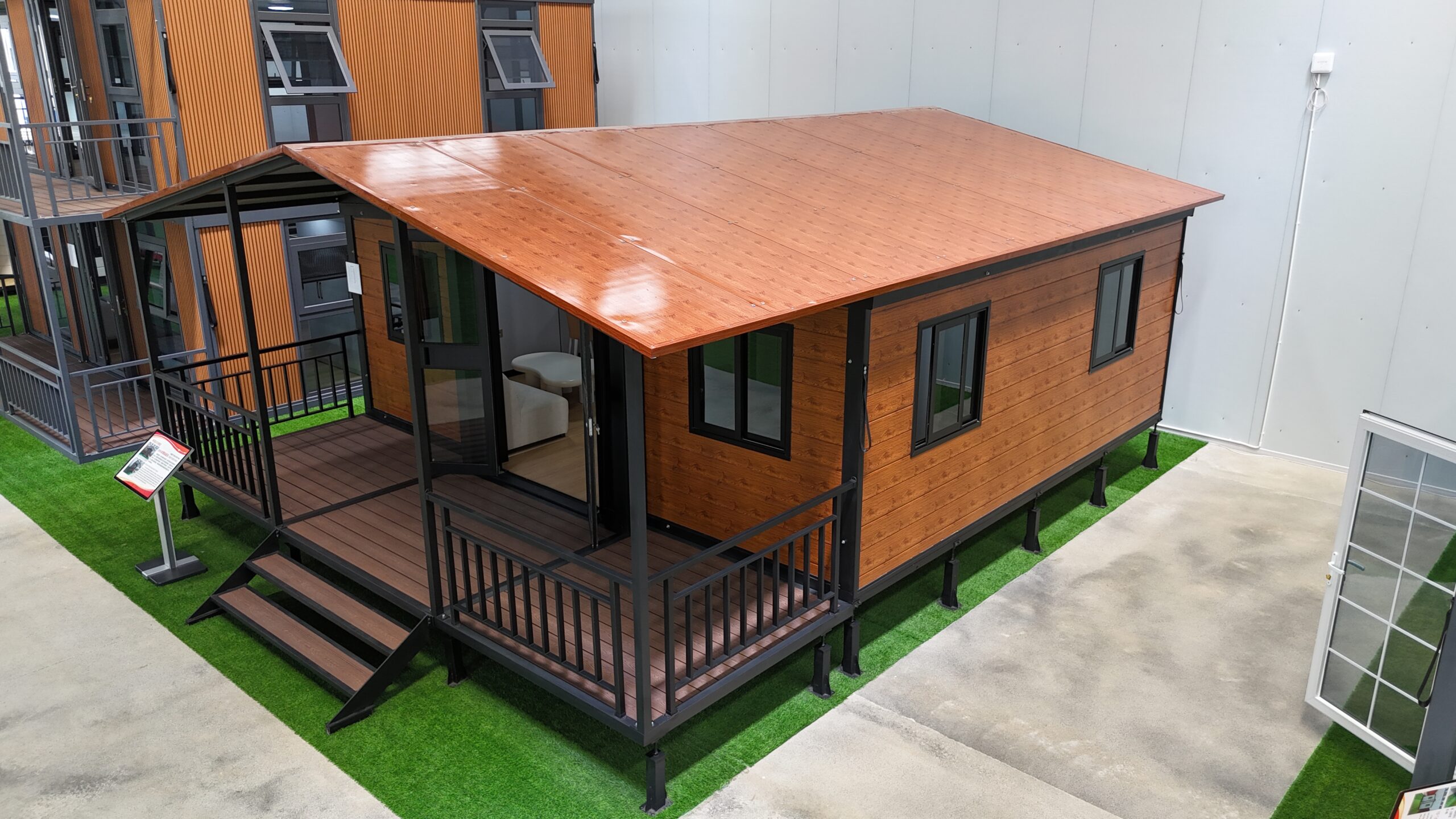
The core reason is clear: export-grade container houses cannot adopt fixed domestic standard models. They must be customized according to the destination’s climate, local building codes, shipping conditions and project scenarios. With 18 years of experience in modular building exports, Guangzhou Kinghouse Modular House Technology Co., Ltd. has completed projects in more than 100 countries. We are fully familiar with regional construction standards, international shipping rules and diverse working conditions. We provide full-process services including site survey, personalized customization, export-grade production, professional sea freight packaging and remote installation guidance, delivering high-quality tailor-made modular container buildings for global clients.
Step 1: Customize compliant solutions based on regional climate and local regulations Natural environments, fire protection standards, electrical codes, wind resistance and anti-corrosion requirements vary greatly across the world. Universal container models often lead to non-compliance and failed acceptance. For Southeast Asia and coastal island regions with frequent typhoons, high humidity and severe salt spray, we upgrade multi-layer anti-rust and anti-corrosion systems, high-strength wind-resistant structures and full waterproof sealing to avoid rust and leakage. For high-temperature regions in the Middle East and Africa, we adopt thick high-density thermal insulation panels and UV-resistant exterior paint to prevent overheating, panel aging and cracking. For high-standard markets in Europe, America and Australia, we strictly follow CE, AS and other international standards, implementing strict control over fire ratings, eco-friendly materials and structural load capacity to fully meet local acceptance criteria. For alpine and cold regions, we customize anti-freezing water and electrical systems, thicker insulation and enhanced sealing structures to adapt to extreme low-temperature environments.
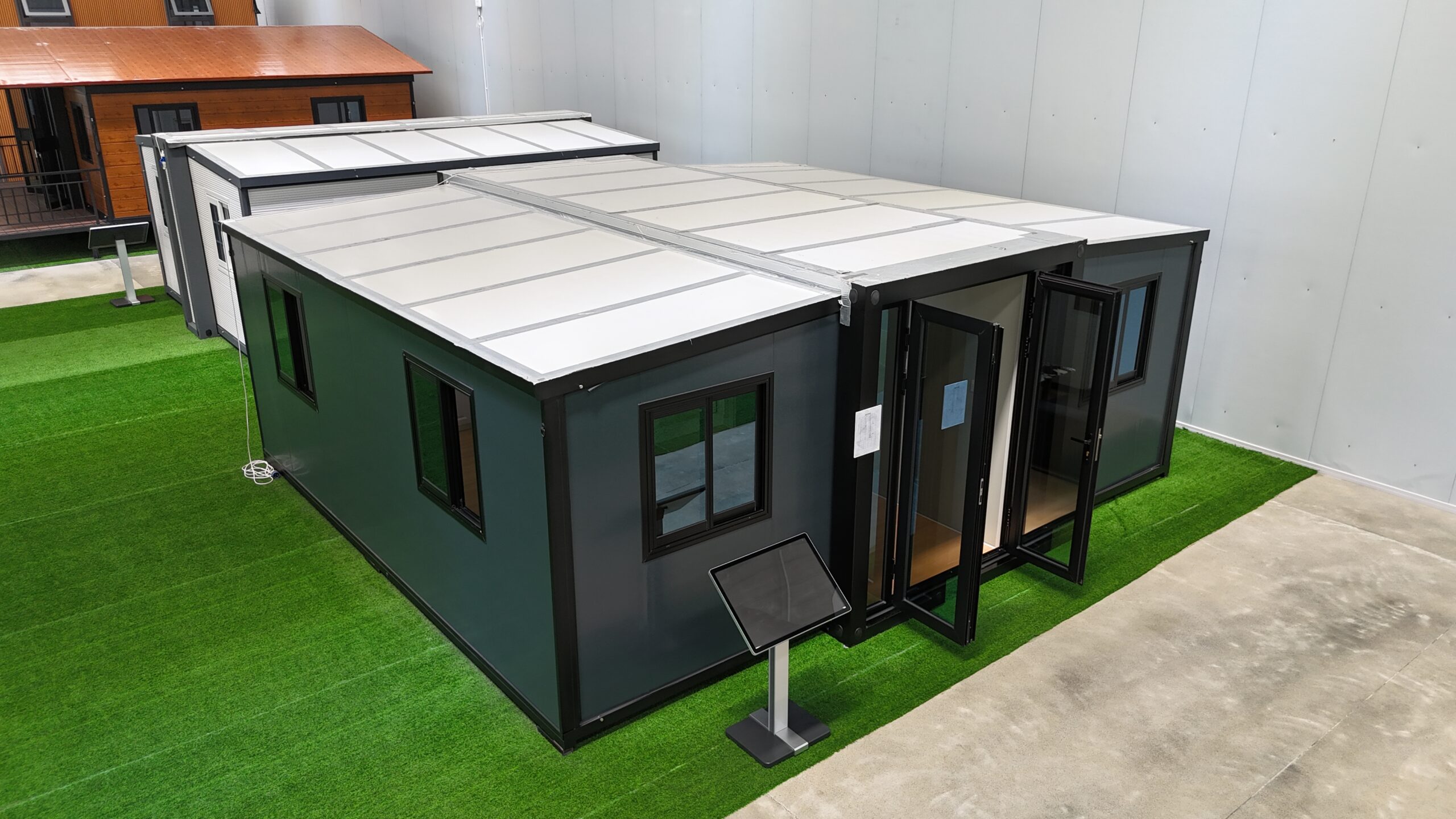
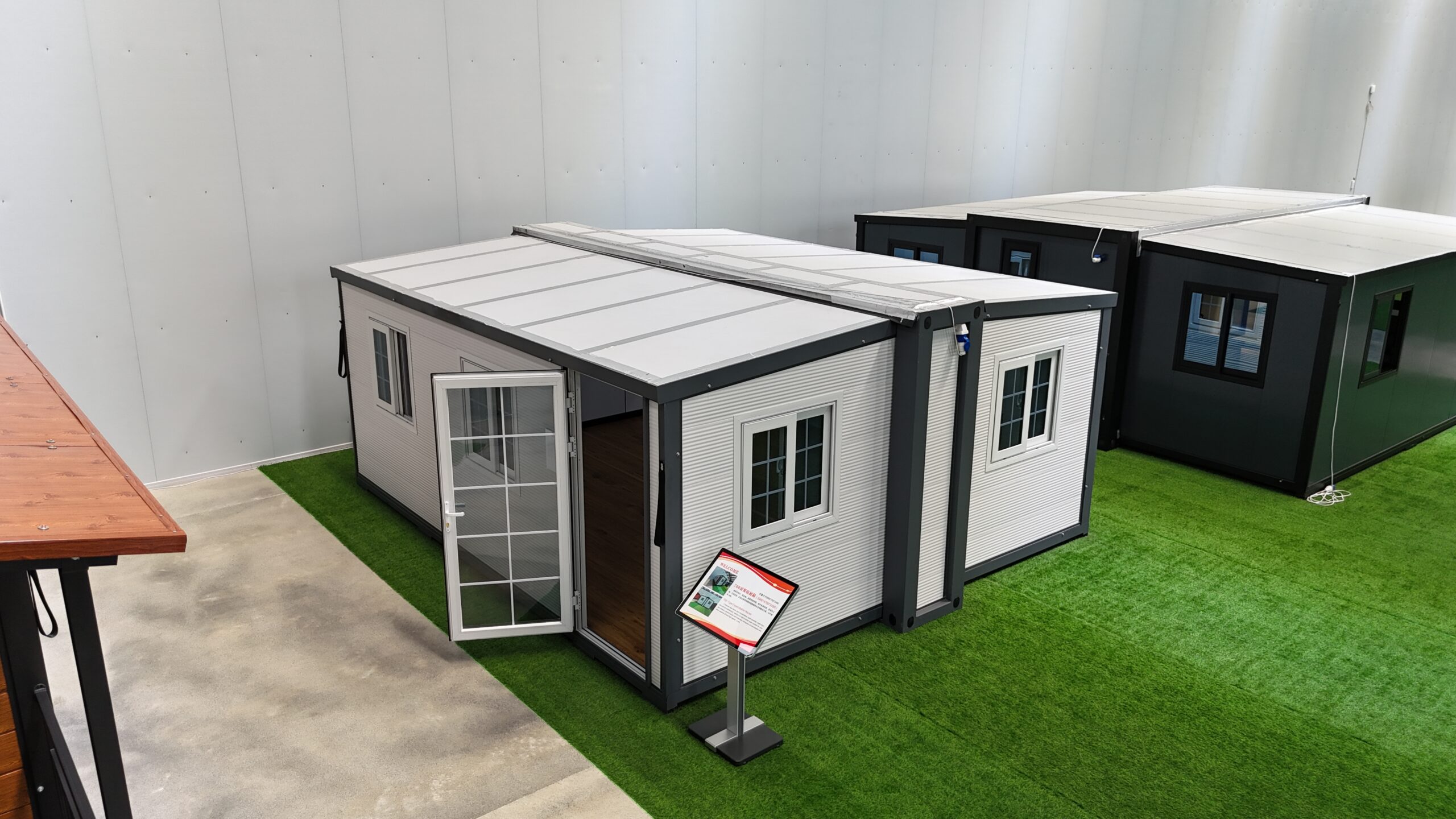
Step 2: Select suitable container types to balance space demands and shipping costs Overseas projects cover diverse scenarios, and a single container type cannot satisfy both usability and logistics economy. Accurate product selection and targeted customization are key to cost reduction and efficiency improvement. For short-term construction sites, emergency resettlement and fast-turnover projects, export prefab houses and standard flat-pack containers are ideal choices, featuring easy assembly, high container loading rate and lower international freight costs. For medium and long-term overseas camps, mining residential areas and project office complexes,premium welded container houses provide better airtightness, fire & corrosion resistance, sound and thermal insulation, and can be repeatedly disassembled and reused with longer service life. For remote inland and cross-border projects, double-wing expandable container houses are the optimal solution — compact in folded state for low-cost shipping and doubled in usable space after expansion. For overseas commercial streets, tourism homestays and exhibition halls, custom apple cabins and special-shaped modular buildings deliver unique appearance and high commercial value for high-end cultural tourism scenarios.
Step 3: Upgrade to export-grade craftsmanship for ocean shipping and extreme overseas conditions Ordinary domestic container houses only suit short-term temporary use and cannot withstand the harsh environment of long-distance ocean transportation, including high humidity, strong salt spray and continuous vibration. All Kinghouse export modular buildings adopt exclusive foreign trade production standards. The main structure is made of thickened hot-dip galvanized steel with sandblasting derusting and multi-layer anti-rust & weather-resistant painting, achieving excellent salt spray resistance, corrosion resistance and anti-aging performance. Wall panels adopt A-grade flame-retardant export-level sandwich materials with complete qualified test reports. Multi-layer waterproof sealing is applied on roofs, internal and external corners and splicing joints to eliminate moisture damage during shipping and water leakage during outdoor operation. In addition, the electrical system supports global voltage and multi-country socket standard customization, requiring no secondary renovation after on-site delivery.
Step 4: Personalized functional and appearance customization for exclusive project demands Export container buildings support full-range personalized customization, completely getting rid of stereotyped standard designs. Functionally, we customize single rooms, multi-room layouts, independent bathrooms, negotiation areas, storage rooms, kitchens and guard rooms, equipped with complete ventilation, drainage, fire protection and air-conditioning reservation systems to adapt to residential, office, commercial and emergency scenarios. In terms of appearance, we support exclusive brand color matching, LOGO reservation, floor-to-ceiling glass, viewing terraces, curved shapes and star ceiling designs to create high-end visual effects and enhance project image. Structurally, single-unit installation, multi-unit combination and double-story construction are all available to fit different site scales and layout plans.
Step 5: Standardized export packaging and complete supporting services to ensure smooth global delivery Professional export customization includes not only product manufacturing, but also comprehensive overseas supporting services. For long-distance ocean transportation, we adopt exclusive export protection solutions, including full surface protection, classified numbered packaging, and moisture-proof, shockproof and collision-proof measures to prevent product damage, dampness and missing parts during shipping. We provide complete customs clearance documents, quality inspection reports, material certificates and packing lists, together with multi-language installation manuals, construction drawings and assembly videos. Our professional team offers real-time remote technical guidance to solve on-site installation, commissioning and maintenance problems. After project completion, all modular units can be disassembled, relocated and reused, effectively reducing secondary construction costs for global projects.
With the booming global demand for modular construction, compliant, durable and cost-effective export container houses have become the first choice for lightweight overseas project development. As a local professional export factory in Guangzhou, Guangzhou Kinghouse Modular House Technology Co., Ltd. owns large-scale production bases, mature export quality control systems and complete global delivery capabilities. We undertake customized modular building orders worldwide, covering engineering camps, mining bases, cultural tourism commerce, emergency resettlement and industrial park supporting facilities. Through one-stop tailored customization, export-grade quality and full-set export services, we help global modular projects achieve efficient construction and stable long-term operation.
Leave a Reply