Why buyers keep turning to a china container house for small-space accommodation
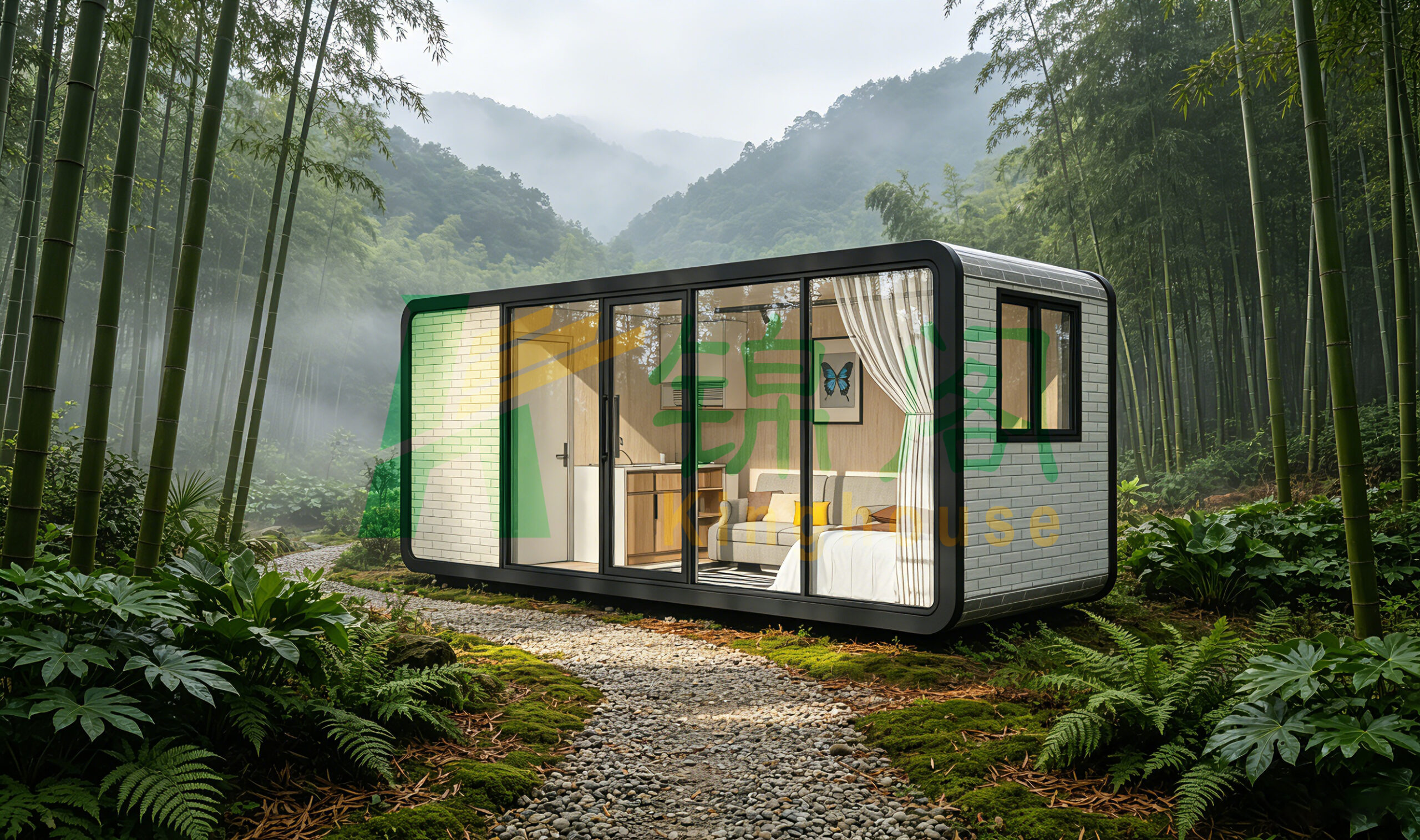
A china container house is often considered when a project needs more than a shed and less than a conventional building. That sounds simple, but in practice it is where a lot of purchasing decisions get messy. Buyers are usually balancing site limits, guest comfort, shipping practicality, budget pressure, and the need to install something that looks finished rather than temporary. The unit shown in the reference material sits in that middle ground: compact, glazed, and clearly intended as a small living space with a proper interior fit-out.
For sourcing teams and project developers, the real question is not whether a modular cabin looks attractive on a deck. It is whether the product fits the use case without creating trouble later. Will it work as a guest room, glamping pod, site office, or short-stay rental unit? Can it be delivered in a way that matches the site plan? Does the supplier actually understand prefabricated building workflows, or are they just selling a shell? Those are the decisions this article is meant to help with.
What the visible design tells you
The product category here is a compact prefabricated modular cabin, or tiny house-style unit, with a rectangular body and rounded outer corners. The front façade is dominated by large floor-to-ceiling glazing and sliding glass doors. The opaque side and rear panels appear to use a light-colored cladding with a wood- or brick-look finish, while the frame around the openings reads as dark aluminum or steel-like trim. Inside, you can see light wood surfaces, curtains, a bed or seating area, and a small cabinet or kitchenette zone.
That combination matters. Full-height glazing improves daylight and gives the unit a more hospitality-driven feel, which is important if the buyer wants to rent it as a resort cabin or backyard guest house. The opaque panels provide privacy and help the unit read as a finished room rather than a glorified box. A compact footprint also suggests easier placement on a deck or prepared base, which is often where these units get used.
What you should not assume, however, is equally important. From an image alone, you cannot confirm structural system, transport method, insulation value, fire compliance, or whether the unit is truly container-based. It may be prefab modular construction, but that is not something to state as fact without supplier documentation.
Quick buyer takeaway: what this type of unit is good at
For many projects, the appeal of a container house for living is not just speed. It is the ability to buy a relatively small, self-contained space that arrives with the appearance of a finished room. That can reduce on-site coordination, especially when compared with a conventional build that still needs separate exterior cladding, interior finishing, and long trade sequencing.
In practical terms, this type of unit is often suited to:
resort and glamping accommodation
backyard guest suites or accessory dwellings
temporary site housing or staff accommodation
small remote offices
short-stay rental units
The main limitation is also obvious: compact living spaces need disciplined planning. A unit can look generous in photos and still feel tight once furniture, storage, plumbing, and circulation are considered. Buyers should ask how the interior is arranged, how privacy is handled, and whether the design really supports overnight use rather than just occasional occupancy.
What makes a good container home supplier China buyers can trust
If you are comparing suppliers, the difference between a strong partner and a risky one often shows up in the details around design support, production maturity, and logistics. Guangzhou Kinghouse Modular House Technology Co., Ltd. is one example of a company with a longer operating history in this sector, established in 2003 and expanding into international markets from 2012 onward. The company says it has developed export experience across many markets, including Southeast Asia, the Middle East, North America, and Europe, and it also notes a 2020 launch of foldable and expandable container house series.
That background does not replace a technical review, but it does suggest a supplier that understands prefabricated housing as a business, not just a one-off fabrication job. For procurement teams, that matters because modular building orders often involve more than a single unit. They involve repeatability, shipment coordination, spare parts, after-sales support, and the ability to keep versions aligned across multiple projects.
Kinghouse also describes a one-stop service model covering design, customization, installation support, and maintenance. That is worth paying attention to. In modular housing, the handoff between sales, engineering, production, and site installation is where projects can go sideways. A supplier that treats those stages as connected is usually easier to work with than one that only quotes a finished product.
Selection criteria that matter more than the brochure
A china container house may be sold as turnkey, but buyers still need to look under the hood. The first check is structure. Is the frame steel, light-gauge, timber-based, or composite? The second is enclosure performance. What wall build-up is used? How is the glazing sealed? What provisions are made for hot, cold, humid, or coastal environments? These are not trivia. They determine whether a unit stays comfortable and maintains its finish after site installation.
Next, examine the interior scope. Some suppliers show a unit with furniture and curtains, but the delivered product may arrive with a different fit-out level. Confirm whether cabinetry, lighting, electrical points, plumbing stubs, and HVAC provisions are included. The image suggests an integrated living area with a kitchenette or sink zone, but the exact service package is unknown and should be clarified before purchase.
Transport and installation are another common blind spot. A modular cabin that looks elegant on a deck can still be awkward to move if access roads are narrow or the final placement point is constrained. Guangzhou Kinghouse notes standardized and flat-pack packaging in its broader business scope, plus ocean freight, land transport, and air freight options for urgent needs. That sort of logistics flexibility can be useful, but it still needs to be matched with the actual project site.
Common mistakes buyers make
One common mistake is treating every prefabricated unit as interchangeable. A glamping pod, a site office, and a permanent auxiliary living space may look similar at first glance, but the internal demands are very different.
Another mistake is focusing only on the shell. Buyers sometimes approve the exterior design and then discover that the interior storage, wet area layout, or access to utilities is not practical for real occupancy.
A third mistake is underestimating the importance of after-sales support. If a modular cabin is going into a hospitality setting, downtime matters. A supplier with design support and maintenance capability is often more valuable than the one with the cheapest headline price.
Why the design works for hospitality and residential use
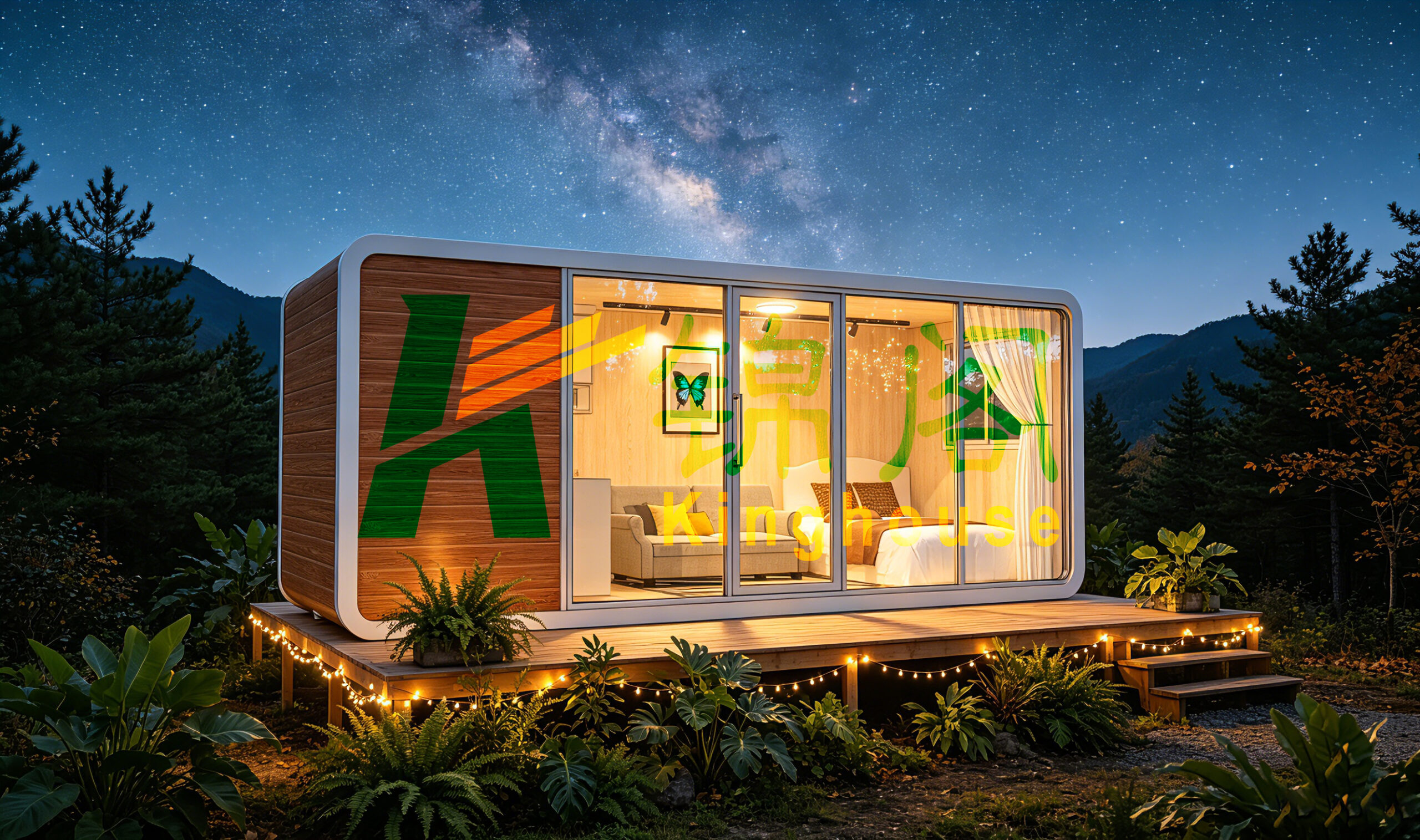
The product in the reference material has a clear hospitality bias. The large glass frontage, warm lighting, and finished interior create a more inviting atmosphere than a bare utility module. That makes it attractive for short-stay rental operators and resort developers who need something visually appealing from day one.
For a container house for living, comfort depends on more than square meters. People notice daylight, curtain privacy, acoustic calm, and whether the room feels settled rather than improvised. The visible layout suggests attention to those basic factors. The curtain on the side, the upholstered seating or bedding, and the compact kitchenette area all signal a space designed for stayover use, not just storage.
Still, buyers should keep expectations realistic. A compact unit can be comfortable, but only if the plan is honest about circulation and storage. In small buildings, every extra cabinet or oversized furniture piece changes how the room works. That is why a prototype review, or at least a very detailed layout drawing, is worth asking for before production begins.
Practical questions to ask before ordering
Before placing an order with a container house manufacturer China team, ask for the following in writing:
What is the exact structural system and wall composition?
What items are included in the standard fit-out?
How are glazing, waterproofing, and thermal detailing handled?
What utilities are pre-installed versus site-finished?
How is the unit packed, shipped, and offloaded?
What installation support is available?
These questions sound basic, but they prevent expensive misunderstanding later. Prefab projects often fail not because the product is bad, but because the parties agreed on different assumptions.
FAQ for first-time buyers
Is a china container house always made from an actual shipping container?
No. The term is used broadly in the market. Some products are container-based, while others are factory-built modular cabins that only resemble container architecture. Do not assume the structure from the marketing name alone.
Can this type of unit be used as a container house for living?
Yes, many buyers use similar units as guest rooms, rental cabins, or auxiliary living spaces. The important point is to verify the intended occupancy level, utility package, and local compliance requirements.
What should a buyer inspect first?
Start with structure, enclosure, and utility readiness. If those three are weak, a pretty exterior will not save the project.
What a sensible next step looks like
If your project is in the market for a compact living pod, glamping cabin, or guest unit, the best next step is not to ask only for a price. Ask for a technical drawing, a standard configuration list, and a shipping and installation outline. Then compare those documents across suppliers, not just the photos.
Guangzhou Kinghouse Modular House Technology Co., Ltd. presents itself as a long-running modular building supplier with design, production, logistics, and after-sales support under one roof. For buyers who need a china container house that can move from concept to deployment without a long trail of contractors, that kind of supplier profile is worth a closer look. The unit still needs proper verification, of course, but that is true of any prefabricated housing purchase.
If you are evaluating a small modular cabin for a resort, a guest suite, or a temporary residential use, the smartest move is to start with the structure behind the styling. The styling may win attention. The structure determines whether the investment holds up.
Leave a Reply